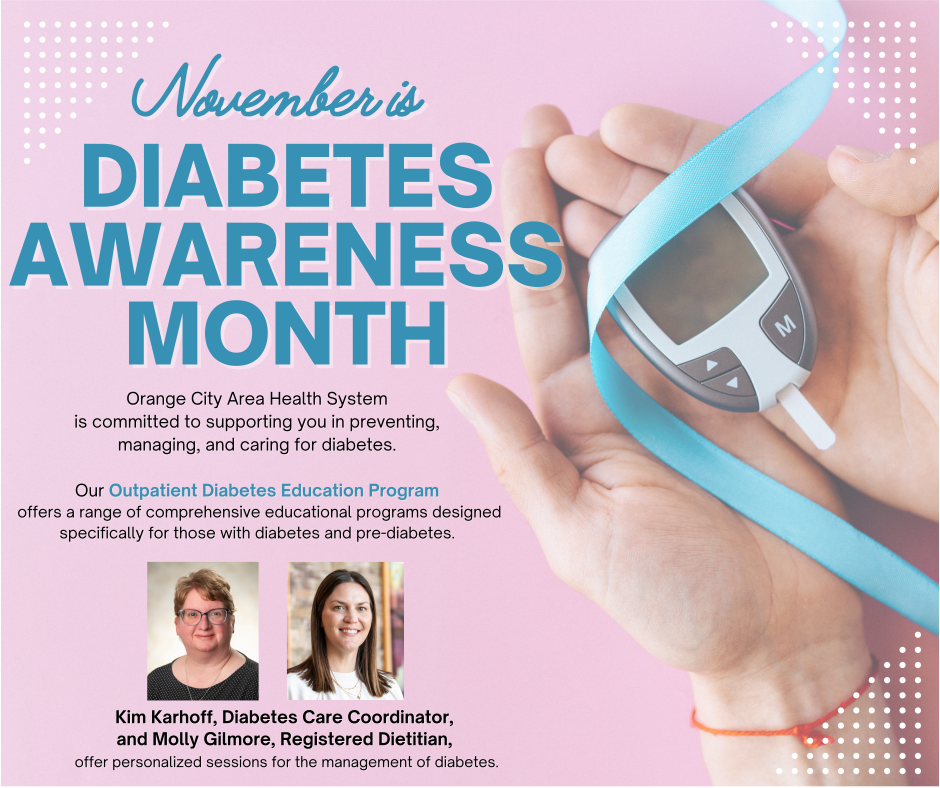
Diabetes Month 2025 – The Surprising Truth about Prediabetes

-by Kim Karhoff, MEd/MSN/RN, Diabetes Educator/Care Coordinator, and Molly Gilmore, M.S.Ed/RD/LD, Registered Dietitian
Prediabetes is a big deal:
Don’t let the “pre” fool you! Prediabetes is a serious health condition. People with prediabetes have higher blood sugar than normal, but not high enough to be diagnosed with Type 2 diabetes. Having prediabetes increases a person’s risk of developing heart disease, stroke, and Type 2 diabetes.
Prediabetes by the numbers:
- More than 1 in 3 US adults has prediabetes (That’s approx. 98 million people)
- More than 8 in 10 adults with prediabetes don’t know they have it.
Prediabetes often does not have symptoms
Many people have prediabetes for years without symptoms. This means you may not know you have prediabetes until serious health problems occur. Ask your provider about getting your blood sugar tested if you have any risk factors, including:
- Being 35 and older
- Being physically inactive
- Overweight
- Family history of type 2 diabetes
- History of cardiovascular disease
Prediabetes is a chance to prevent Type 2 diabetes:
Diabetes can affect every major organ in the body and can lead to serious complications, including nerve damage, kidney damage, and eye disease. Think of prediabetes as a warning sign. Your risk for Type 2 diabetes can be decreased if you eat healthy meals and become more active.
The American Diabetes Association’s Diabetes Plate method makes it easier to create a healthy meal. It recommends filling half your plate with non-starchy vegetables, then adding one serving each of a protein and a carbohydrate on the other side of the plate. Finish this meal with a serving of fresh fruit or low-fat dairy and a glass of water for a filling, nutrient dense meal that is kind to your blood sugars.
The ADA also recommends 30 minutes of moderate activity five times per week and 1-2 sessions of resistance training per week. Moving your muscles reduces blood sugar and the benefits of increased activity also have cardiovascular, bone, and mental health benefits.
Changing habits isn’t easy, and many people benefit from extra support. If you are ready to build healthier habits, OCAHS can support you in several ways. First, OCAHS offers a 1.5-hour prediabetes education class once or twice per month. Contact Kim at 737-5311 for more information. Second, “Choose Health Northwest Iowa” is a collaborative effort between the hospitals of Sioux County and CHP. It is an 8-session group class held each semester focused on preventing Type 2 diabetes and other chronic illnesses. The classes are taught by dieticians and diabetes educators from Sioux County. The spring 2026 classes will be hosted at Orange City Area Health System. Look for sign up information in December 2025 or Jan 2026 or call 737-5311 to be put on the interest list for these classes.
*Statistics from CDC.gov/diabetes